Handwriting Lined Paper for Girls: A Practical Guide
Pretty practice sheets do more than make writing time look nice. When a child sits down with handwriting lined paper for girls, the experience often shifts from a chore to a welcomed daily ritual. Whether you are a parent searching for printable resources, a teacher building a classroom station, or a therapist working on fine motor skills, the right design can quietly remove resistance and build consistency. This guide explores what makes these specialty sheets effective and how to use them across different environments.
The Appeal of Thoughtfully Designed Writing Sheets
Generic lined paper serves its purpose, but it rarely sparks enthusiasm. Sheets that include soft colors, friendly borders, or a subtle floral pattern do something subtle yet important: they signal that the activity is meant for the user. For many girls, seeing a page that reflects their interests and personality can turn handwriting drill into a calm, sensory-friendly exercise. The visual appeal lowers the barrier to starting, and when starting is easier, practice simply happens more often.
Educators often notice that the same student who avoids a plain ruled notebook will pick up a decorated page willingly. The psychology is not complicated. The sheet feels personal, almost like a gift, and that emotional connection creates a tiny spark of ownership. Over time, that ownership builds a healthy relationship with writing.
Key Features to Look For
When you evaluate or create handwriting paper with a feminine aesthetic, a few structural elements separate a pretty page from a truly useful one. Each feature serves a distinct purpose, even if it appears purely decorative at first glance.
A Decorative Title Page
Many printable packs now open with a charming title page that sets a joyful tone. This could show an illustration of a butterfly, a rainbow, or a motivational phrase in a whimsical font. While a title page might not get written on, it acts as a visual invitation. Parents can slip it into the front of a binder or folder, turning a stack of loose sheets into a personalized handwriting book. A well-crafted cover also helps when printing multiple copies for a classroom — it clearly labels the set and makes distribution feel special.
A Helpful Table of Contents
If a document includes several ruling styles or themed sections, a simple table of contents saves time. Instead of flipping through dozens of pages to locate wide-ruled practice sheets or drawing-and-writing combo pages, users jump directly to what they need. For a busy parent or therapist, this small touch is a quiet efficiency boost. Look for packs that number sections clearly and use descriptive titles like “Pre-K Wide Lines” or “Cursive Practice with Inspirational Quotes.”
Clean Page Layouts with Even Spacing
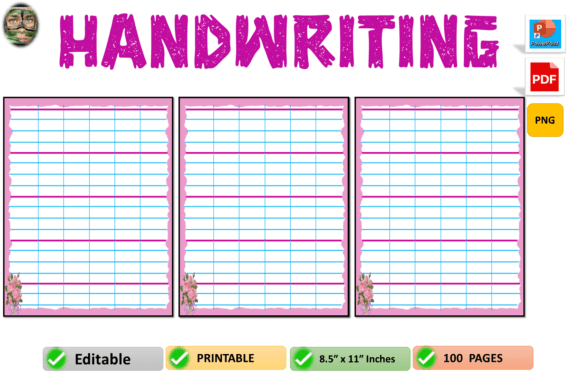
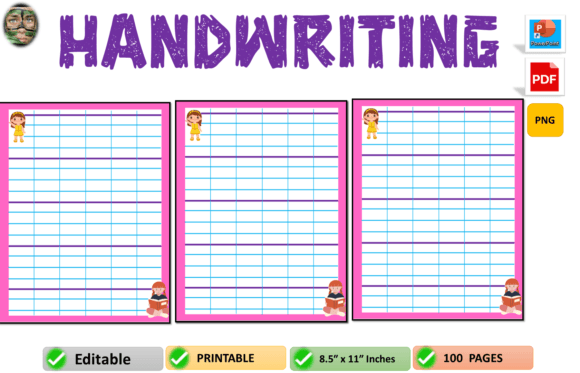
The core of any handwriting resource is the ruling. Good handwriting lined paper for girls provides consistent, easy-to-see lines without visual clutter. The baseline, midline, and headline should be clearly marked but not so bold that they distract. Light blue or soft gray lines work well. Many sheets designed for younger writers include a dashed midline, while pages for older children or cursive practice may use a solid baseline with a slightly lighter top line. Even spacing between lines prevents crowding and allows letters to breathe.
Wide Rule vs. Narrow Rule Options
Girls move from one skill level to the next at different paces. A well-rounded collection includes both wide-ruled pages with generous space and narrow-ruled sheets that demand finer motor control. Wide lines accommodate early writers who are still mastering letter formation and grip. Narrow lines challenge more confident hands and prepare them for standard notebook paper. Having both in one place means a single download can grow with the user.
Decorative Elements That Do Not Overwhelm
Subtle background designs — watercolor washes, scattered stars, delicate vine borders — can make a page feel cozy without sacrificing legibility. The key is restraint. Pages where decorative elements are confined to margins or headers keep the writing zone clean. Small graphics in the corner, a thin decorative border, or a faint thematic watermark rarely interfere with readability. Avoid sheets where the background pattern bleeds into the lines or where bold illustrations compete with pencil marks.
A Variety of Designs to Maintain Interest
Repetition can dull focus. That is why you often see packs that rotate designs every few pages. One sheet might feature a unicorn motif, another a garden theme, and a third a celestial pattern. Some pages even leave a blank space at the top for a drawing, which invites creative expression right alongside written work. Motivational quotes placed above the lines — “You are capable of amazing things,” “Practice makes progress” — reinforce a growth mindset without additional effort from the adult.
Progressive Difficulty for Confident Skill Building
Thoughtful sets arrange pages to gradually reduce hand-holding. The first few sheets may have extra-large letters to trace, then large lines with shadow guides, then standard wide rule, and finally narrow rule with less structure. This natural scaffolding helps a girl feel successful at each stage. It also means the resource remains useful for months or even years, making it a smart investment for families and therapy practices alike.
Practical Applications Across Settings
It is easy to assume these sheets belong only in elementary school. In reality, their uses stretch far beyond a single grade level or location.
At home: Parents use themed handwriting paper for daily journaling, thank-you notes, or quiet-time writing. A girl who resists a blank sheet might eagerly fill a page with a fairy border about her weekend. The act becomes a bridge between play and structured learning.
In classrooms: Teachers keep printed packs on hand for morning work, writing centers, and take-home practice. The visual consistency helps establish routine, and students often enjoy comparing different designs with friends. It also supports differentiated instruction — a quick glance at the ruling tells a teacher who is working on which skill.
In therapy and intervention: Occupational therapists rely on lined paper with clear visual cues to support handwriting legibility. Adding a gentle theme can reduce anxiety during sessions. When a child feels that therapy materials are not clinical but lovely, engagement often improves.
For creative projects: Older girls and even teens sometimes use decorative lined sheets for poetry, pen pal letters, or scrapbook journaling. The feminine aesthetic fits into personal projects where handwriting is part of the art.
For printable product creators: Designers and small business owners build their own handwriting paper collections to sell on platforms like Etsy or Teachers Pay Teachers. Knowing what features parents and educators actually want — a cute cover, varied rulings, tidy layouts — helps them craft a product that stands out in a crowded market.
Benefits Beyond Penmanship
The obvious goal is neater handwriting, but the ripple effects are often overlooked. Using attractive handwriting lined paper for girls can improve focus, reduce resistance, and build stamina. When the page feels inviting, a child is more likely to write for ten minutes instead of two. That extra time translates directly into stronger hand muscles and more automatic letter formation.
There is also a subtle branding element for educational materials. A teacher who sends home a beautiful practice sheet communicates care and professionalism. A therapist who provides a custom-decorated page signals that the child’s comfort matters. In adult-driven contexts, such as coaching or content marketing, providing a pretty yet functional freebie can boost email list signups and build trust.
How to Integrate These Pages into Daily Routines
Making the pages accessible is half the battle. Keep a small binder or folder stocked with a dozen favorite designs in an easy-to-reach spot. Rotate the selection weekly so there is always something fresh. Tie the theme to the season — butterflies in spring, cozy designs in winter — to keep interest alive.
Pair the sheets with quality writing tools. A smooth gel pen or a soft-leaded pencil makes a real difference in comfort. Encourage girls to decorate the margins after they finish writing, turning the page into a complete project. This habit reinforces the idea that their work is worth displaying.
For families with multiple children, print a mix of ruling styles and let each child choose their own sheet. The element of choice empowers even reluctant writers.
Choosing the Right Set for Your Needs
When selecting or designing a printable pack, consider the age span, the level of decoration, and whether it includes any interactive elements like a name line or a date field. Check that the title page actually prints nicely and that the table of contents matches the page numbering. If you are creating a product for others, test print the sheets to verify that the decorative elements do not smudge or flatten essential guidelines.
Also, think about inclusivity. While the aesthetic may be geared toward girls, the core functionality — clear lines, progressive difficulty, visual appeal — makes these resources adaptable. A boy who loves fairies or a nonbinary child drawn to pastels can benefit equally. The gender label simply helps the right audience find the resource.
Making Handwriting a Delightful Habit
Handwriting remains a critical skill, even in a digital age. It aids memory, encourages self-expression, and develops fine motor coordination. The environment around that skill matters more than we often admit. By shaping the practice space with care — starting with beautiful, functional handwriting lined paper for girls — you set the stage for progress that feels natural and joyful. A decorative title page might seem like a small detail, but it welcomes a child in. The structured lines guide her, and the thoughtful extras keep her returning. In a world full of screens, that quiet, focused time with pen and paper is a gift worth protecting.