Crossword 16: Turn a Smart Intermediate Puzzle Into a Profitable, No-Regret Interior
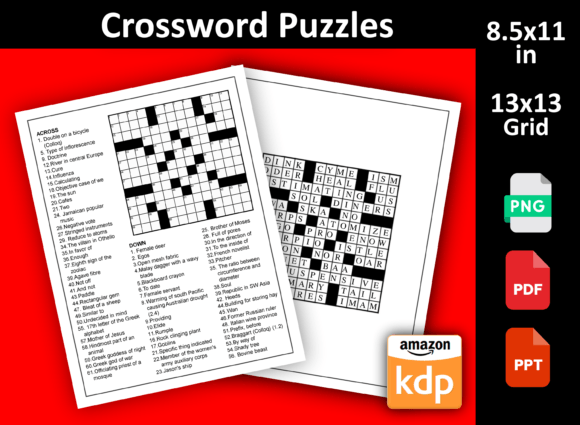
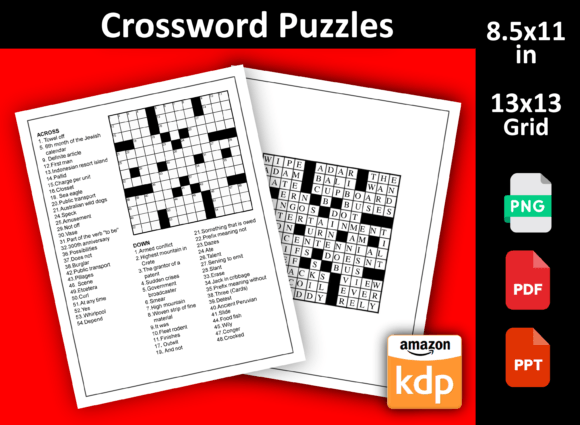
Crossword 16 isn’t just another puzzle page—it’s a ready-to-use, 13×13 American crossword designed for Amazon KDP creators, hobbyists, and anyone who appreciates a satisfying solve. With its intermediate-to-hard difficulty, 8.5×11 inch no-bleed layout, and a file bundle that includes PDF, PPTX, and PNG, this single interior offers far more flexibility than many realize. Yet people often treat it like a basic download and miss opportunities that cost time, money, and reader goodwill. Understanding what Crossword 16 actually delivers helps you use it better, whether you’re building a commercial book or looking for a challenge that doesn’t insult your intelligence.
Why Crossword 16 Grabs Attention—and Where Expectations Go Wrong
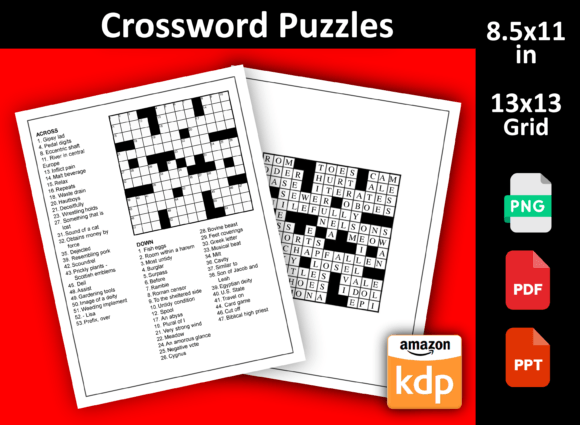
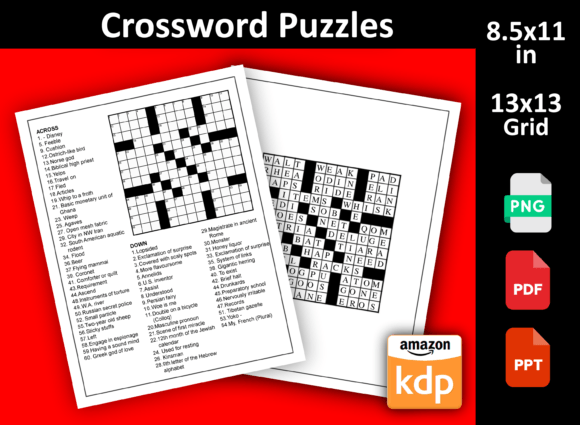
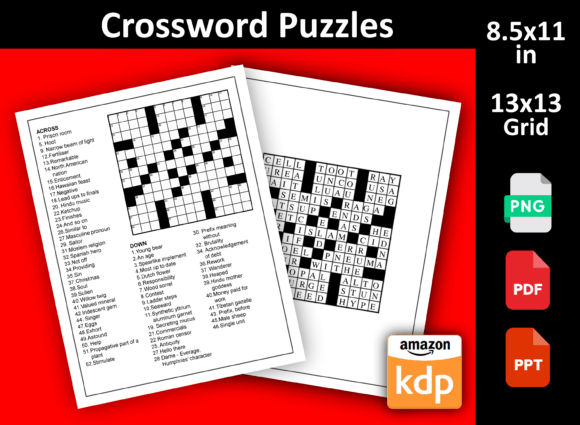
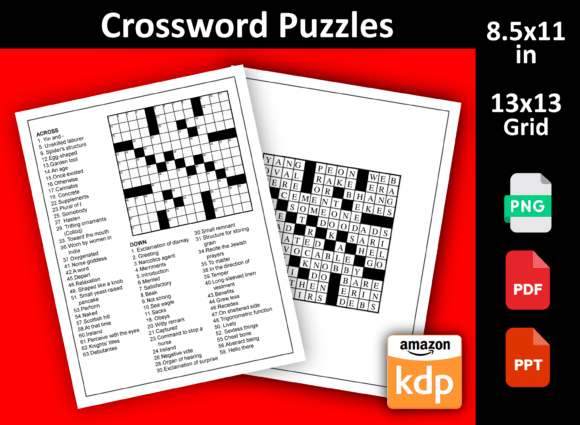
This puzzle stands out because it hits a sweet spot. The 13×13 grid is larger than standard newspaper crosswords but not as demanding as a 15×15 or cryptic puzzle. The American-style clues combine trivia, wordplay, and general knowledge, making it familiar yet substantial. For KDP publishers, the interior arrives as an 8.5×11 inch page with no bleed, meaning it’s instantly print-friendly and won’t get cut off at the edges during production. The downloadable ZIP includes a PDF for quick printing, a fully editable PPTX for branding or rearranging, and a high-resolution PNG for previews or mockups. And the solution page is included, so no frantic Googling is needed.
But many people misunderstand what “intermediate and hard” really means. Some think it’s too intimidating for a general audience, while others assume it’s too easy for a serious puzzle book. The truth is, when placed correctly, a puzzle like Crossword 16 builds reader retention. A solver who completes it within 20–30 minutes feels a genuine sense of accomplishment—something a too-easy or overly obscure crossword can’t deliver. However, if you skip a few crucial checks before using it, you might end up with a product that disappoints or a book that looks amateurish. Let’s walk through the common missteps and how to sidestep them.
Mistake 1: Treating Every Crossword Download as a Print-Ready, One-Click Asset
It’s tempting to grab the PDF from a ZIP file, upload it to Kindle Direct Publishing, and hit publish. But neglecting the unique print specifications of Crossword 16 can lead to blurry text, misalignment, or a rejected manuscript. The interior is built for an 8.5×11 inch page with no bleed. That means the design already accounts for safe margins; you don’t need to add extra white space. A typical blunder is taking this file and resizing it to a different trim size, such as 6×9 inches, without testing the result. The grid can become cramped, the font sizes may shrink below legibility, and the puzzle loses its visual appeal.
Real-world example: A creator once downloaded a similar crossword interior, placed it into a 6×9-inch template by simply scaling the PDF, and ended up with a puzzle where the clue numbers were barely readable. Customer returns spiked because the book felt “unusable.” If they had kept the 8.5×11 layout—or used the included PPTX to adjust clue boxes and font sizes properly—the outcome would have been very different.
How does this affect your results? A poorly sized puzzle damages your brand and can cause negative reviews that bury a book. Readers expect large, clear grids, and the Crossword 16 original design delivers that when used correctly. Always check the actual dimensions in your design software (PowerPoint or Canva, if you prefer) rather than just dropping the PDF into a cover template.
Mistake 2: Overlooking the Mix-and-Match Potential for a Unique Book
Crossword 16 is meant to be combined—the product description even encourages you to mix and match with another volume. But many people use it as a single-page addition or, worse, repeat the same puzzle multiple times in one book. That’s a wasted opportunity. A crossword book that contains varied grid sizes, a range of difficulties, and different clue styles feels richer. By blending Crossword 16 (a 13×13 intermediate/hard) with easier 11×11 puzzles or harder 15×15 ones, you create a natural progression that appeals to a broader audience.
The overlooked detail: the PPTX format makes this blending almost effortless. You can duplicate the slide, adjust the layout, add a themed cover page, or insert your own copyright note without starting from scratch. Yet many users never open the PPTX; they stick to the PDF and miss the chance to create a cohesive interior. If you’re a KDP publisher targeting adults who want relaxing yet challenging puzzles, a monotone book of identical grids will feel lazy. Using the editable file, you can insert page numbers, a “solutions” section header, and subtle visual branding that screams “professionally designed.”
A better approach: Start by placing Crossword 16 as puzzle number 16 in your book, or use it as the mid-point challenge. Then add two simpler puzzles before it and two more demanding ones after. The reader experiences a satisfying difficulty curve, and your book’s interior becomes a seamless product rather than a patchwork.
Mistake 3: Ignoring the Intended Difficulty Level and Alienating Your Audience
Calling a puzzle “intermediate and hard” is helpful only if you match it to the right reader. Buyers who download a crossword book for a relaxing weekend might be frustrated if every puzzle feels like a grind. Conversely, crossword enthusiasts will yawn if the entire book is too simple. Crossword 16, with its 13×13 grid and clever American clues, requires a decent vocabulary and lateral thinking—but it’s far from impossible. When you position this puzzle inside a collection labeled “Relaxing Easy Crosswords,” you’re setting up a mismatch that leads to one-star ratings.
This mistake also shows up in the clue presentation. Some creators tweak clues in the PPTX without understanding how solvers interpret difficulty. If you replace a clever phrase with an obscure, dictionary-only term just to make it harder, you might cross the line from satisfyingly tough to unfair. Crossword solvers are vocal; they’ll call out “cheating” clues that rely on esoteric knowledge rather than fair crossword conventions.
Practical advice: Always test the puzzle yourself, with the solution hidden, to gauge the solve time and the clue quality. For KDP, include a clear subtitle or description like “A Collection of Intermediate to Challenging American-Style Crosswords” and place Crossword 16 in a section labeled “Harder Puzzles.” This sets expectations and protects your reviews. If you’re a hobbyist, consider whether you enjoy a steady challenge or need a gentle mental warm-up before diving into this one.
Mistake 4: Forgetting the Solution Page—or Dumping It Inelegantly
The solution page is part of the Crossword 16 interior bundle, and it’s there for a reason: no one wants to buy a puzzle book without an answer key. Yet some publishers, in a rush to save pages, remove the solution entirely or bury it at the back of the book in minuscule font. Others print the solution directly next to the puzzle, destroying any sense of discovery. A well-designed solution section is essential for customer satisfaction. Crossword 16 includes a clean, separate solution grid; using it as designed builds trust.
A related oversight: when you combine multiple puzzles, you need to ensure each solution is clearly linked to its corresponding puzzle number. If the solver can’t find the answer to “Crossword 16” because you labeled it inconsistently, frustration mounts. In the PPTX or PDF, you can easily add a header “Crossword 16 Solution” and a page number. This small step prevents confusion and makes your book feel complete.
What to Check Before You Hit Publish or Print
Whether you’re a KDP creator, a blogger offering a freebie, or someone compiling a puzzle booklet for a local event, a few practical checks save you from costly do-overs.
- Print dimensions: Confirm the file is set to 8.5×11 inches with no bleed. In the PDF viewer, check the page size properties. If anything changed during editing (like a stray crop mark), fix it immediately.
- Grid clarity: Print a test page at home. All numbers and black squares should be sharp. The PNG can serve as a quick preview if print equipment isn’t available.
- License terms: Crossword 16 interiors sold by creators often include a commercial license, but always verify. Are you allowed to use it in a book you sell? Usually yes for single interior downloads, but if you’re bundling hundreds of copies, double-check.
- File format flexibility: Don’t hoard the ZIP. Open the PPTX and explore. Maybe you want to add a “Time to Solve: __ minutes” line under the puzzle. The editable format gives you that freedom without messy workarounds.
- Audience alignment: Ask a friend or beta reader to solve Crossword 16 without any help. Their honest feedback on difficulty and enjoyment will tell you if it’s placed correctly in your book.
A Better Way to Use Crossword 16 for Amazon KDP Profit
Rather than treating Crossword 16 as just another puzzle, think of it as a centerpiece you can build variety around. Start with a theme for your book—say, “American Road Trip Crosswords” or “Stay-at-Home Brain Boosters.” Use the PPTX to create a uniform header style across all puzzles. Insert Crossword 16 as puzzle number 16, and give it a subtle badge or note that reads “Editor’s Pick” or “Reader Favorite (Tough but Fair).” This simple curation makes the book feel curated instead of a random assembly.
For marketing, the PNG image is a powerful tool. Use it to create a mockup of an open book page for your Amazon listing images. Show the inside, because buyers of puzzle books want to see the grid size and clue style before they commit. A clear preview that highlights the 13×13 layout and a few sample clues can increase conversion. That’s an advantage over puzzle books that only show the cover.
On the production side, remember that KDP prints on demand, and no-bleed interiors are slightly more forgiving. However, if you’re offering a spiral-bound version through another printer, the no-bleed design still works beautifully because the margins are consistent. The PDF, when saved with proper settings, eliminates any surprises about shifting content near the edge.
If you’ve been hesitant to use Crossword 16 because you’re unsure about the difficulty or the file setup, start small. Upload a test book with five puzzles, including this one, order a proof copy, and hold it in your hands. You’ll immediately see whether the font size, grid placement, and solution section feel right. That $3 proof can prevent a bad launch and the avalanche of poor reviews that follows a puzzle book that’s physically hard to use.
Turning a Single Puzzle Into Long-Term Value
Crossword 16 represents more than a quick money-making asset. When you respect its design, understand its difficulty tier, and use the provided formats thoughtfully, it becomes a versatile tool for building a puzzle brand that people trust. Many creators fail not because the product is bad, but because they ignore the small details that solve solvers’ problems before they start. A puzzle that’s crisp, correctly labeled, and fairly challenging will earn repeat buyers and organic recommendations. And that’s where the real profit lies—not in a one-off sale, but in a series of books where readers know what to expect. Keep testing, keep tweaking, and let Crossword 16 be the standard, not a shortcut you regret later.